- Empty cart.
- Continue Shopping



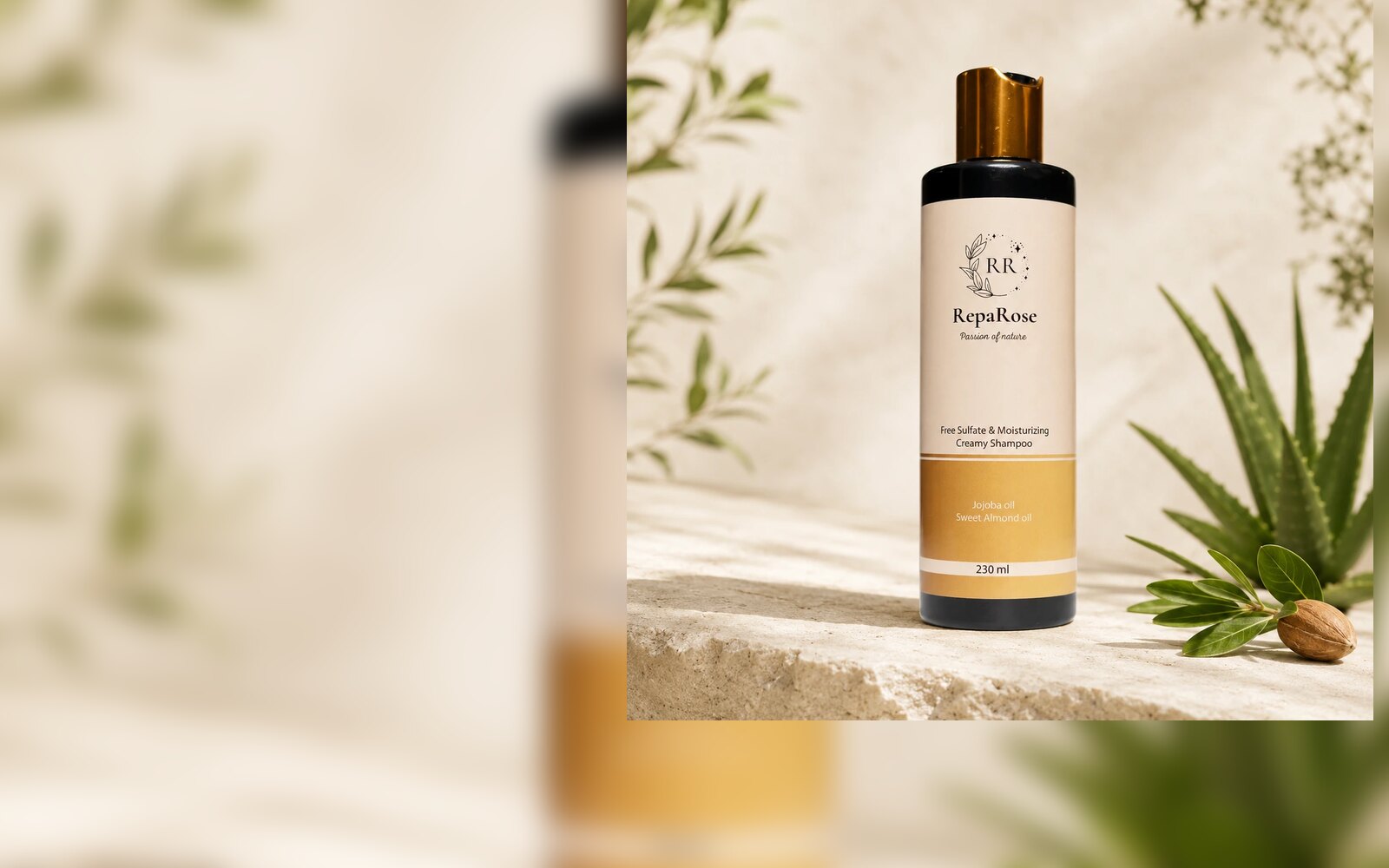
What sulphates do in a shampoo
Sulphates such as sodium lauryl sulphate and sodium laureth sulphate are strong cleansing agents. They create the rich, fast lather most of us grew up associating with clean hair, and they are very effective at lifting oil, product build-up and dirt from the scalp.
That strength is also their downside. Because sulphates remove oil so thoroughly, they can leave the scalp feeling tight and the lengths feeling dry, especially on curly, coloured, chemically treated or naturally dry hair. Some people also notice that colour fades faster and that the scalp feels itchy after washing.
Why choose a sulphate-free formula
Sulphate-free shampoos rely on milder surfactants, often derived from coconut or sugar, that cleanse without stripping. The lather is usually softer and creamier, and hair tends to keep more of its natural moisture. Because less oil is removed, the scalp is not pushed to overproduce sebum to compensate, which can help hair feel balanced rather than swinging between greasy and dry. Many people find that after switching, their hair feels softer, frizz is easier to control and they can go longer between washes.
Gentler cleansing may also help sensitive scalps feel more comfortable, and it is generally kinder to hair colour. It is not a miracle, but it is a sensible first step toward a hair routine that works with your hair rather than against it.
How to transition smoothly
If you have used conventional shampoo for years, your scalp may need a little time to adjust. Here is what usually helps:
- Wet hair thoroughly and use a little more water than product; sulphate-free formulas lather better on very wet hair.
- Massage the scalp for a full minute with your fingertips, focusing on the roots where oil collects, then rinse well.
- Shampoo twice on the first few washes if hair still feels coated; a second, smaller application often makes the difference.
- Follow with a nourishing conditioner from mid-lengths to ends, and rinse with cooler water to help smooth the cuticle.
During the first two or three weeks, hair can feel slightly different, sometimes heavier or a little less bouncy, as it adjusts to keeping more natural oil. This is normal and usually settles as the scalp finds its balance.
Tips for lasting results
Use a clarifying wash once a month if you use a lot of styling products, since gentle surfactants remove build-up more slowly. Pair your shampoo with a sulphate-free conditioner so the two formulas work together, and treat the lengths to a mask or oil once a week.
Finally, give the change time. Hair grows slowly, and the true benefit of gentler care shows in the new growth and the overall condition of the lengths over several months. Patch test any new product on a small area first, and discontinue use if irritation occurs.